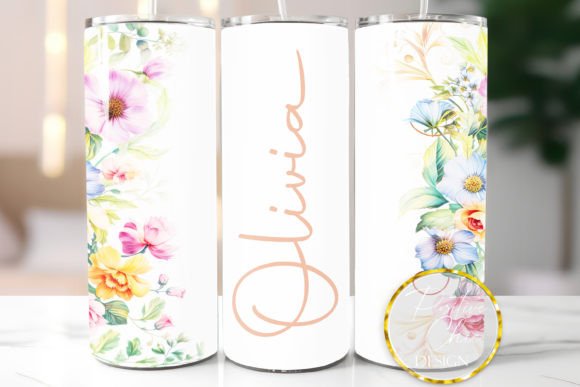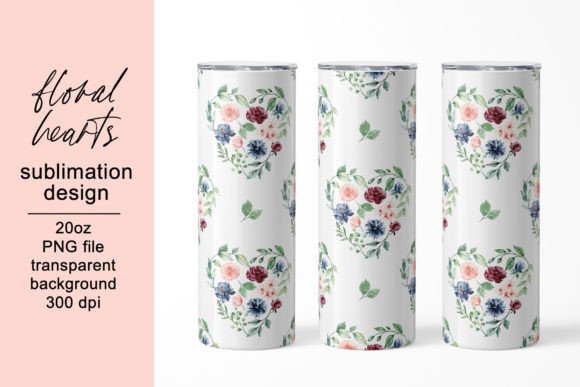
Floral Element Wildflower Design Review
When I first opened the folder for Floral Element Wildflower Design, my initial reaction was one of calm appreciation. In a sea of overly complex, dense patterns that often look like a tangled mess after stitching, this design feels like a breath of fresh air. As someone who has spent years evaluating digital assets for real-world application, I am looking for more than just a pretty picture; I need to know if it will hold up under the needle and translate well onto fabric. This piece delivers exactly what a modern crafter or small business owner needs: a versatile, clean aesthetic that balances artistic flair with technical feasibility.
The First Impression: Mood and Visual Personality
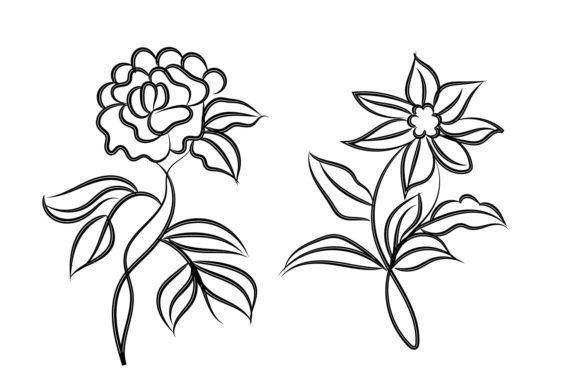
The mood created by Floral Element Wildflower Design is distinctly organic and free-spirited. It avoids the stiff, rigid geometry of corporate logos in favor of a softer, more natural flow. The layout suggests movement, as if the wildflowers were caught in a gentle breeze. For an embroidery designer, this is crucial because the stitch direction and density must mimic that natural growth. Visually, the design personality is approachable yet professional. It does not scream for attention but rather invites the viewer to lean in closer to appreciate the details. This makes it an excellent candidate for products where subtlety is preferred over loud branding.
Real-World Application: From Digital File to Finished Product
To truly understand the value of this asset, I put myself in the shoes of a maker preparing a custom order. Imagine you are an Etsy seller building a collection of personalized gifts for a spring wedding or a baby shower. You have a stack of high-quality canvas tote bags and soft cotton aprons waiting on your worktable. This is where Floral Element Wildflower Design shines. Its composition allows for a generous placement on a large tote bag without overwhelming the space, creating a balanced look that feels intentional rather than accidental.
I also considered how this would perform on a sweatshirt or a pillow cover. The open nature of the floral elements means it can be stitched with a variety of thread colors to match any color palette. Whether you are using pastel threads for a nursery item or earth tones for a rustic home decor piece, the design adapts seamlessly. For a boutique product line, this versatility is gold. It allows you to create a cohesive brand identity across different items—perhaps using the same motif on a tea towel, a cap, and a set of kitchen towels—while keeping each finished product unique through color choices.
Performance on Different Fabrics and Garments
In the realm of custom apparel, the success of a design often hinges on its interaction with the fabric texture. Floral Element Wildflower Design appears to handle medium-weight fabrics like denim, twill, and heavy cotton blends exceptionally well. The lines are distinct enough to stand out against the weave of the material without getting lost. However, when thinking about stretchy fabrics like jersey or thin linens, caution is required. While the design itself is beautiful, the stability of the stitches depends heavily on proper stabilizer usage. If you are working on a stretchy t-shirt, you must ensure the underlying support is robust, or the delicate curves might pucker during the wash cycle.
For accessories like caps and hats, the curved surface presents a challenge. A design with too many sharp angles or dense fill areas can distort on a six-panel cap. Fortunately, the flowing nature of this wildflower theme seems forgiving on curved surfaces, provided the hoop size is appropriate. It is less likely to cause bunching compared to a geometric square block. This makes it a strong contender for embroidered patches or hat decorations where a soft, organic shape is desired.
Where to Exercise Caution
No single design is perfect for every scenario, and honesty is key for a responsible review. There are specific situations where Floral Element Wildflower Design requires careful consideration. Small hoop sizes are the most obvious limitation. If you are attempting to stitch this on a very small item, such as a baby bib or a tiny pocket patch, you may find that the intricate details get lost or become too crowded. The resolution of the individual flower elements might not translate well if the physical space is too restricted.
Additionally, dark fabrics present a visibility challenge. If the design relies on fine lines or light-colored fill stitches, they might disappear against a black or navy background unless you use a high-density underlay or a contrasting thread scheme. Textured fabrics, such as corduroy or boucle, can also hide the definition of the stitches. In these cases, the "wild" aspect of the design might blend too much into the fabric texture, reducing the visual impact. For products that require frequent washing, such as commercial-grade aprons or workwear, ensure that the stitch density is sufficient to prevent fraying over time. If the design uses long running stitches in exposed areas, they may snag easily.
Impact on Brand Value and Customer Trust
For a craft business or a handmade shop owner, the quality of the embroidery directly influences customer trust. A sloppy stitch job or a design that looks distorted can make a premium product feel cheap. Conversely, a well-executed Floral Element Wildflower Design elevates the perceived value of the item. When a customer sees a crisp, clean embroidery that follows the grain of the fabric perfectly, they associate that quality with the care and skill of the maker. This is particularly important for personalized gifts and holiday embroidery projects where the emotional stakes are high.
The design also supports brand consistency. Because it is available in multiple formats including AI, EPS, SVG, PNG, and PDF, you can easily integrate it into your marketing materials. You can create printable mockups for your online store, showing potential buyers exactly how the final product will look. This transparency helps reduce returns and increases buyer engagement. When customers see a clear representation of the design on their chosen product, they are more confident in their purchase decision.
Practical Designer Notes for Implementation
Before you commit to a full production run, there are essential steps every experienced designer takes. First and foremost, always test the design on scrap fabric. This simple step reveals issues with thread tension, stabilizer choice, and stitch density that you cannot predict from a screen. Check the contrast between your chosen thread colors and the fabric; sometimes a color that looks vibrant on a monitor appears muddy once stitched.
Review the stitch density carefully. If the design includes large fill areas, ensure they are not so dense that the fabric becomes stiff or difficult to hoop. Confirm your hoop size matches the design dimensions to avoid cutting off elements. Inspect small details closely, especially if you plan to use the design on smaller items. Use black and white mockups to verify that the shapes remain distinct even without color. Compare how the design looks on both light and dark backgrounds to determine if you need to adjust the underlay or add a border.
Finally, remember that proper stabilizer is non-negotiable. The longevity of the embroidery project depends on the foundation beneath the stitches. Whether you are using tear-away, cut-away, or sticky-back stabilizers, choose the one best suited for your fabric type. Also, double-check the licensing terms before selling finished items or offering the digital files as part of a bundle. Understanding the rules of commercial embroidery ensures your business remains compliant and ethical.
In conclusion, Floral Element Wildflower Design is a solid addition to any library of graphics and crafts resources. It offers a balance of beauty and practicality that serves both hobbyists and professional decorators well. By approaching it with the right preparation and an eye for detail, you can create stunning handmade products that resonate with your audience and stand the test of time.