Floral Antlers, Deer Antler, Deer Horn: A Designer's Real-World Review
When I first opened the files for Floral Antlers, Deer Antler, Deer Horn, my initial reaction wasn't about the file size or the format compatibility. It was about the mood. As a designer who spends hours evaluating digital assets for real-world application, I look for that spark of versatility. This piece strikes a unique balance between rustic charm and delicate elegance. The concept of intertwining floral elements with the organic structure of deer antlers is visually striking, creating a design that feels both wild and refined. But does it translate well from a screen to the fabric? In this review, I'm breaking down exactly how this machine embroidery design performs when stitched into actual products, specifically looking at its potential for small business owners, Etsy sellers, and hobbyists.
The First Stitch: Visual Personality and Layout
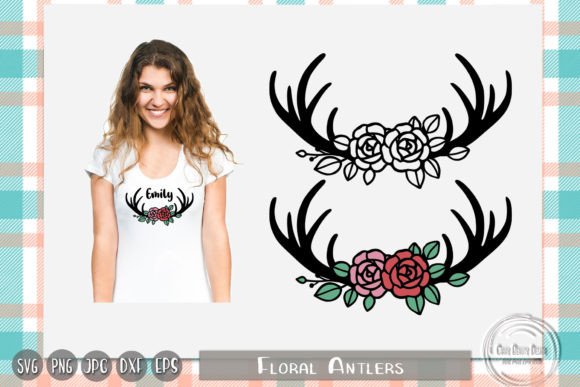
The layout of Floral Antlers, Deer Antler, Deer Horn suggests a central focal point with outward-reaching branches. For an embroidery project, this symmetry is crucial. It allows the design to sit comfortably on the left chest of a sweatshirt, the center of a tote bag, or even as a decorative patch on a denim jacket. The visual personality is soft yet structured. Unlike some purely geometric designs that can feel cold, the floral components add warmth and texture. When I imagine this in thread, the contrast between the flowing petals and the rigid lines of the antlers creates a dynamic tension that catches the eye immediately.
However, the detail level requires careful consideration. If you are planning to use this as a digital product for print-on-demand or as a physical embroidered item, you need to ensure the stitch density isn't too high for smaller applications. The design works best when it breathes. Too much fill stitch in the antler areas could make the fabric stiff, which might be undesirable for baby clothes or lightweight summer tees. The key here is understanding that while the graphic looks great on a computer screen, the reality of thread volume changes how the final product feels and drapes.
Real-World Application: From Scrap Fabric to Boutique Shelf
Let's talk about a specific scenario. Imagine you are preparing for a holiday craft fair and want to create a line of personalized gifts. You decide to embroider Floral Antlers, Deer Antler, Deer Horn onto a set of linen kitchen towels and canvas tote bags. The rustic theme fits perfectly with autumnal decor, and the floral twist makes it approachable for non-outdoor enthusiasts.
In practice, stitching this design onto a heavy-duty canvas tote bag would yield excellent results. The sturdy fabric provides enough stability to support the density of the fill stitch required for the antler base. The satin stitch used for the floral outlines would pop beautifully against a natural or earth-toned background. Customers browsing your booth would likely appreciate the craftsmanship, associating the clean lines and balanced composition with a higher perceived value. It transforms a simple tote into a statement piece that feels custom-made.
Similarly, for a nursery collection, applying this design to a baby onesie or a receiving blanket could be a hit. The gentle curves of the flowers soften the image, making it suitable for a child's room. However, if you are targeting commercial embroidery projects for corporate merchandise, this design might be too niche unless the brand aligns with nature, conservation, or outdoor lifestyle themes. It is a design asset that demands a specific audience, but that specificity is also its strength. It cuts through the noise of generic patterns.
Where Caution is Key: Fabric and Hoop Limitations
While Floral Antlers, Deer Antler, Deer Horn has broad appeal, there are specific situations where a designer must exercise caution. One of the most common pitfalls in embroidery is underestimating the impact of fabric texture and stretch. If you attempt to stitch this design on a thin, stretchy knit fabric without proper stabilization, the running stitch details in the flowers could pucker, ruining the delicate aesthetic. Always test on scrap fabric first to gauge the necessary stabilizer weight.
Another area to watch is the hoop size. If you are working with a small hoop, such as one designed for a hat or a small cap, the full scope of the antler spread might get cut off. This is particularly important for embroidery designers selling finished goods. A cropped design looks like a mistake rather than an artistic choice. Ensure your intended product matches the dimensions of the file. Furthermore, on dark fabrics, the contrast provided by standard thread colors might not be sufficient. You may need to adjust your thread colors or add a light-colored backing to ensure the floral details stand out against the dark background.
Dense stitch areas are another potential issue. If the antler sections are packed too tightly, the resulting stiffness could make the garment uncomfortable to wear, especially around the collar of a sweatshirt. For a comfortable finished product, you might consider reducing the density slightly or using a lighter underlay technique. Additionally, avoid placing this design on curved surfaces like caps without extensive testing. The distortion caused by the curve can alter the proportions of the antlers, making them look wider or shorter than intended.
Professional Notes for the Creative Entrepreneur
For those of you running a craft business or selling on platforms like Etsy, the quality of your execution directly impacts customer trust. A poorly stitched embroidery file can lead to returns and negative reviews, regardless of how beautiful the original design is. Before committing to a large production run, I strongly recommend creating a printable mockup to visualize the design in black and white. This helps you assess the balance of the composition without the distraction of color.
Always inspect the small details closely. Do the flower petals connect cleanly? Are the tips of the antlers sharp or rounded? These nuances define the difference between a mass-produced look and a professional handmade item. If you plan to sell finished items featuring Floral Antlers, Deer Antler, Deer Horn, double-check your licensing agreement. Some digital downloads allow for personal use only, while others permit commercial sales of up to a certain number of units. Confirming these terms protects your small shop product from legal issues.
Finally, consider the versatility of the design for different seasons. While it fits autumn perfectly, the floral element allows it to transition into spring collections as well. By pairing it with fresh green threads instead of warm oranges, you can extend the lifespan of your inventory. Whether you are creating a personalized gift for a friend or a bulk order for a boutique, this design offers a solid foundation for creativity. Just remember that success in embroidery comes from respecting the medium, testing thoroughly, and understanding how the design behaves on the material you choose.
Ultimately, Floral Antlers, Deer Antler, Deer Horn is more than just a graphic; it is a versatile tool for makers. With the right preparation and attention to detail, it can elevate any handmade product from a simple craft to a cherished keepsake.